Sustainable packaging is no longer a niche interest — it’s a core product strategy.
Consumers expect brands to reduce waste, regulators are tightening rules around single-use materials, and smart packaging choices can cut costs while strengthening brand loyalty. Whether you’re launching a new product or refreshing existing packaging, focusing on sustainability delivers both environmental and business benefits.
Why sustainable packaging matters
Sustainable packaging reduces environmental impact across the product lifecycle. That includes material sourcing, manufacturing energy, transportation weight, and end-of-life disposal. Brands that prioritize sustainability often see better customer perception, higher repeat purchase rates, and fewer supply-chain disruptions tied to material shortages or regulatory shifts.
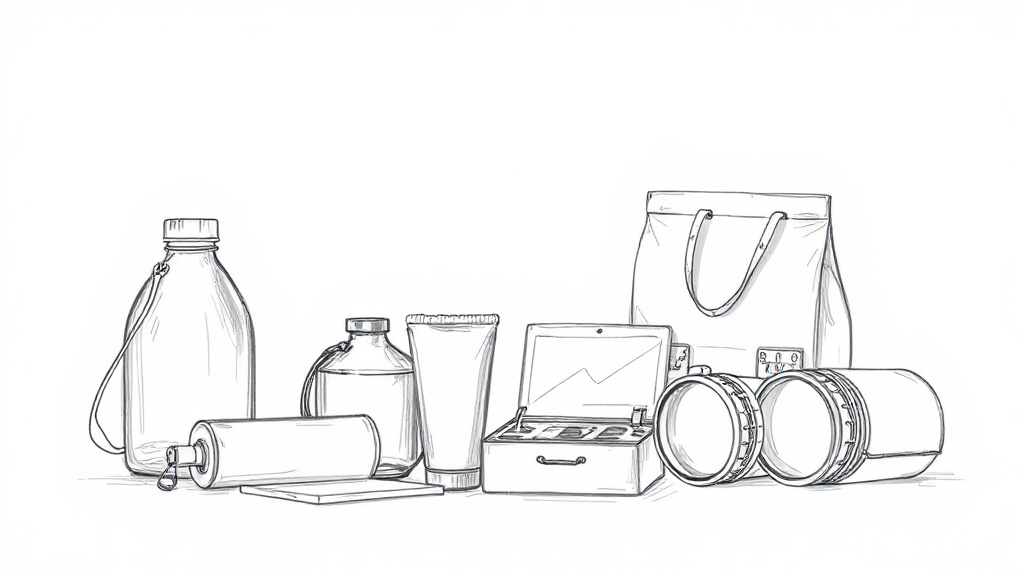
Practical materials to consider
– Recycled paperboard: A versatile choice for boxes and cartons that supports a circular supply chain. Look for high post-consumer-content options and suppliers with traceable sourcing.
– Molded pulp and fiber: Ideal for protective inserts and trays, molded fiber replaces plastic foam and is commonly curbside-recyclable or compostable.
– Mono-material plastics: When plastic is necessary, choosing a single polymer type (like PET or HDPE) makes recycling more efficient than mixed-material laminates.
– Biobased and compostable materials: These can be great for certain product types, but verify local composting infrastructure and certification to avoid greenwashing.
– Refillable systems: Designing durable containers for refill packs or in-store refilling reduces per-use material and can build customer loyalty.
Design strategies that reduce waste
Effective sustainable packaging blends material choices with smart design.
Lightweighting — using less material without compromising protection — lowers shipping costs and emissions.
Avoiding unnecessary layers and adhesives makes recycling easier.
Consider modular designs that standardize components across product lines to streamline production and minimize leftover inventory.
Clear labeling about recyclability and reuse encourages correct disposal and improves recovery rates.
Certifications and transparency
Third-party certifications and clear on-pack information help build trust. Labels such as chain-of-custody certifications for paper, compostability certifications, and standardized recycling icons guide consumers. Transparency about material composition, carbon footprint, and end-of-life instructions reduces confusion and positions a product as genuinely responsible.
Tips for brands launching or updating products
– Start with a packaging audit: Measure material use, weight, and end-of-life outcomes to set improvement targets.
– Prioritize functionality: Packaging must protect the product and preserve user experience while being sustainable.
– Test widely: Pilot packaging changes with a segment of customers to assess shelf impact, shipping performance, and recyclability in different regions.
– Partner with suppliers early: Collaborate with material and logistics partners to find scalable solutions and avoid last-minute compromises.
– Communicate smartly: Use concise, honest language on-pack and online to tell the sustainability story without overstating claims.
What shoppers should look for
Consumers can make more sustainable choices by checking for clear recycling instructions, preferring mono-material designs, and opting for products using refill systems or concentrated formats.
Small behavior shifts, like rinsing and sorting packaging correctly, significantly improve recycling outcomes.
Sustainable packaging is a practical investment that boosts resilience, cuts costs, and aligns products with evolving consumer expectations. Brands that combine thoughtful materials, intentional design, and transparent communication will find sustainability is not just an ethical choice but a competitive advantage.
