Refillable products are reshaping how households buy and use everyday goods. From shampoo and cleaning solutions to razors and printer ink, refillable options cut waste, save money over time, and make sustainable living more convenient.
Here’s a practical guide to why refillables matter and how to choose the right ones for your home.
Why refillable products matter
– Less packaging waste: Refill formats reduce single-use plastic and rigid containers, easing landfill and recycling burdens.
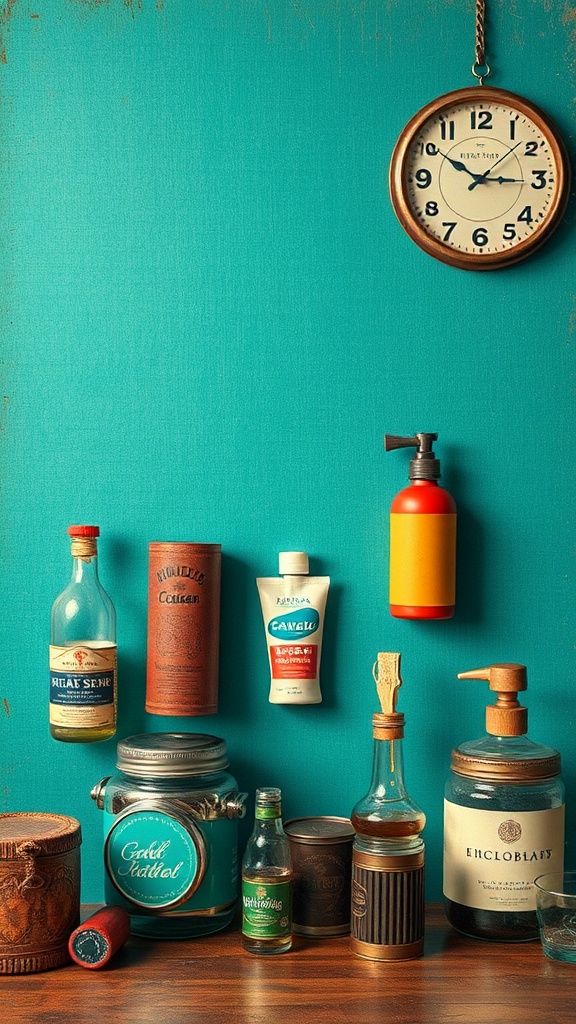
– Lower long-term cost: Buying concentrates, bulk refills, or replacement cartridges usually reduces per-use cost compared with repeatedly buying full-sized single-use containers.
– Reduced transport footprint: Concentrated formulas and bulk refills can lower shipping weight and volume, which saves energy across the supply chain.
– Supports brands that prioritize lifecycle thinking: Choosing refillable systems encourages manufacturers to design for durability, repairability, and circular packaging.
Types of refillable systems
– Refill pouches and bags: Lightweight and inexpensive, pouches are common for detergents and liquid soaps.
They’re ideal if your dispenser is durable and reusable.
– Refill stations and in-store bulk: Many stores offer dispensers where you refill your own container, reducing packaging entirely.
– Cartridge systems: Used for razors, ink, and some cleaning devices; cartridges are compact but often proprietary—check compatibility before committing.
– Concentrated formulas: Powder or liquid concentrates mix with water at home, reducing the need for large plastic bottles.
– Refillable hardware: Long-life dispensers designed to be refilled many times, often made from glass, stainless steel, or durable plastic.
How to choose refillable products
– Check total lifecycle impact: Look beyond the word “refillable.” Compare refill packaging materials, shipping, and whether the refill actually replaces a single-use product or simply shifts waste.
– Prioritize compatibility and longevity: Refillable systems are best when dispensers are high-quality and supported with replacement parts or good warranties.
– Evaluate product transparency: Brands that publish ingredient lists, sourcing info, and recyclability claims are easier to trust. Third-party certifications add credibility but read the fine print.
– Consider local options: In-store bulk and refill stations can minimize transport footprint and eliminate packaging entirely. Local co-ops and some supermarkets offer a robust selection.
– Beware of greenwashing: Marketing terms like “eco-friendly” or “sustainable” aren’t regulated.
Look for measurable claims—reduction percentages, recyclable materials, or refill weight vs. original packaging.
Practical tips for making the switch
– Start small: Try refillable soap, laundry detergent, or a razor refill before replacing every product.
– Keep original containers for comparison: Track cost per use and performance to see real benefits.
– Invest in a durable dispenser: A glass or stainless steel dispenser can last for years and make refills feel premium.
– Recycle what you can: Even refill systems have components that eventually need disposal.
Follow local recycling guidance, and separate materials if required.
– Read community reviews: Real-user feedback often highlights hidden costs like proprietary cartridges or hard-to-find refills.
Refillable products are a practical way to reduce waste and often save money while nudging manufacturers toward circular thinking.
By prioritizing transparency, durability, and convenience, shoppers can make choices that align with everyday needs and broader environmental goals.
