Refillable and zero-waste products are reshaping how people shop and use everyday items. Whether you’re swapping single-use bottles for concentrates or choosing products sold in bulk, the shift can reduce waste, often save money, and encourage brands to be more transparent. Here’s a practical guide to making sustainable product choices that actually work for daily life.
Why refillable and zero-waste options matter
– Less landfill waste: Refillable containers and solid formats cut the number of disposable packages thrown away.
– Lower carbon footprint: Reusing durable containers and buying concentrated formulas reduces transport and packaging emissions.
– Better value over time: Paying a bit more up front for a durable bottle or tin often leads to a lower cost per use.
How to evaluate products before buying
– Check total lifecycle, not just packaging: A lightweight plastic bottle might have lower transport emissions, but a glass or aluminum container that’s reused many times is usually better overall.
– Read ingredient and sourcing transparency: Brands that list full ingredient breakdowns and sourcing practices are more likely to prioritize long-term sustainability.
– Look for credible certifications: Third-party seals (such as ecosystem, material, or social responsibility standards) help validate claims. Certifications don’t tell the whole story, but they’re useful checkpoints.
– Beware greenwashing: Vague terms like “eco-friendly” or “natural” without details should prompt extra scrutiny. Look for specifics: refill program terms, materials used, and end-of-life instructions.
Practical product categories and options
– Personal care: Shampoo bars, solid conditioners, and refill pouches reduce bottle waste. Refillable aluminum or glass dispensers at home pair well with concentrated formats.
– Household cleaners: Concentrates and bulk refill stations are practical for surface cleaners, laundry detergents, and hand soap. Dilution instructions extend the life of each purchase.
– Food and pantry: Buying staples in reusable containers from bulk bins cuts single-use packaging. If bulk isn’t available, opt for products in recyclable or compostable materials and transfer contents into durable storage at home.
– Packaging materials: Choose products using recycled aluminum, glass, or responsibly sourced paper. These materials are easier to keep in circulation when collected and processed properly.
Making refillable life easy
– Create routines: Keep a labeled dispenser station for soaps and cleaners and schedule refill days to avoid running out.
– Maintain hygiene: Clean reusable containers between uses to prevent contamination—boiling, sterilizing, or dishwasher-safe options simplify this.
– Use concentrates strategically: Store smaller containers for travel and refill from bulk at home to balance convenience and sustainability.
Where to find refills
– Local refill stores and cooperatives: Many communities host refill shops for personal care and cleaning products.
– Retailers and brand programs: Some brands offer mail-back refill pouches or in-store refill stations.
– Online bulk options: Look for brands that sell concentrates or multi-use refills with minimal shipping packaging.
Final buying tip
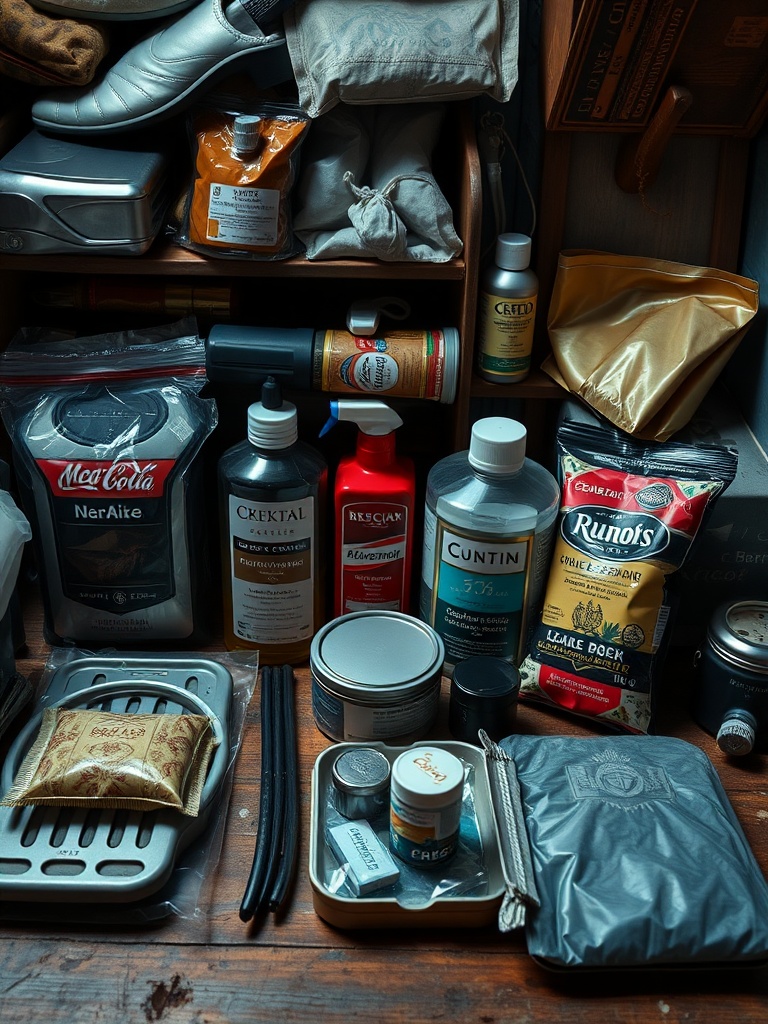
Start with one category—soap, laundry, or pantry staples—and evaluate cost-per-use and convenience over a few months. Small changes compound: choosing durable containers, using concentrates, and supporting transparent brands helps drive a market shift toward genuinely sustainable products.
