Packaging has moved from afterthought to powerful product differentiator. Beyond aesthetics, packaging now communicates brand values, affects shipping costs, and shapes environmental impact.
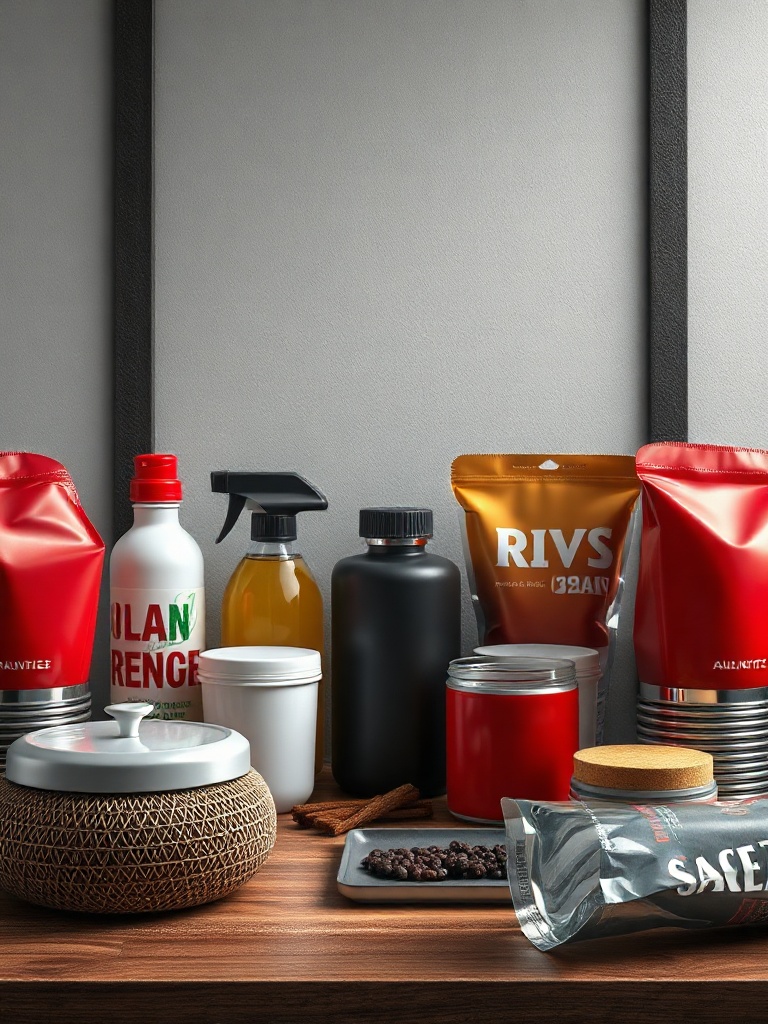
As shopper expectations rise, choosing products with smarter, more sustainable packaging delivers benefits for consumers, businesses, and the planet.
Why packaging matters
– Environmental footprint: Packaging accounts for a sizable portion of many products’ lifecycle emissions and waste. Materials, design, and end-of-life treatment determine whether a package becomes useful recycled material or landfill.
– Consumer perception: Shoppers often use packaging cues to judge quality and sustainability.
Clear, honest packaging builds trust and encourages repeat purchases.
– Practical value: Good packaging protects goods, reduces returns and food spoilage, and can lower shipping volume and costs.
What to look for on the label
– Material transparency: Brands that list packaging materials (paper, cardboard, glass, PET, aluminum) make it easier to understand recyclability. Look for single-material designs or clearly separated components.
– Post-consumer recycled content (PCR): Packaging that contains PCR uses existing waste as input. Higher PCR percentages generally indicate stronger circularity.
– Refillable and reusable options: Refill pouches, returnable containers, and concentrated formats reduce waste and long-term cost for frequent users.
– Certified claims: Certifications such as FSC or PEFC for paper, and recognized compostability standards for compostable claims, provide third-party assurance. Confirm whether compostable packaging is home-compostable or industrial-compostable—acceptance differs by local systems.
– Clear disposal instructions: Labels that tell you how to dispose of each component (recycle, compost, return) help prevent contamination of recycling streams.
Watch out for greenwashing
Ambiguous terms like “eco-friendly,” “biodegradable,” or “green” without supporting details often mislead. “Biodegradable” does not guarantee that a package will break down in real-world settings; some items require industrial composting temperatures to degrade.
“Recyclable” is only useful when local facilities accept the material—check local recycling rules or company take-back programs.
Design choices that reduce impact
– Minimalism: Less material means less waste.
Thin, strong cardboard or concentrated product formats can reduce packaging weight and volume.
– Mono-materials: Using a single material type simplifies recycling; for instance, all-paper pouches instead of mixed plastic-laminates.
– Light-weighting: Engineering lighter containers for the same protective effect reduces emissions during transport.
– Modular systems: Refillable modules, universally sized caps, and standardized packaging components enable collection and reuse at scale.
Questions to ask brands
– What percentage of your packaging is made from post-consumer recycled content?
– Are your compostable materials certified, and what kind of composting do they require?
– Do you offer a refill, return, or take-back option?
– Can you clarify which packaging components are recyclable in typical municipal systems?
Smart shoppers can make a meaningful impact by prioritizing products with clear, durable packaging policies and practical refill or recycling options.
Small choices—opting for concentrated formulas, refill pouches, or products in widely recyclable materials—add up to less waste and smarter spending without sacrificing product quality.
