Sustainable Packaging and Smart Labels: Raising the Bar for Product Experience
Consumers now expect products to do more than perform — packaging must protect, inform, and reflect brand values. Sustainable packaging and smart labels are moving from niche differentiators to baseline expectations, giving brands a chance to reduce waste, cut costs, and build stronger customer relationships.
Why sustainable packaging matters
Buyers evaluate a product’s environmental impact as part of the purchase decision.
Eco-friendly packaging reduces landfill waste, lowers transport emissions through lighter materials, and can open new retail and e-commerce opportunities. Beyond environmental benefits, sustainable choices often improve unboxing experiences: clean, thoughtfully designed packaging signals quality and care.
Key sustainable packaging strategies
– Reduce layers and volume: Minimize void fill and unnecessary inner boxes. Right-sizing packaging lowers shipping costs and improves shelf appeal.
– Use mono-materials: Single-material constructions are easier to recycle than multi-material laminates. Design with recyclability in mind from the start.
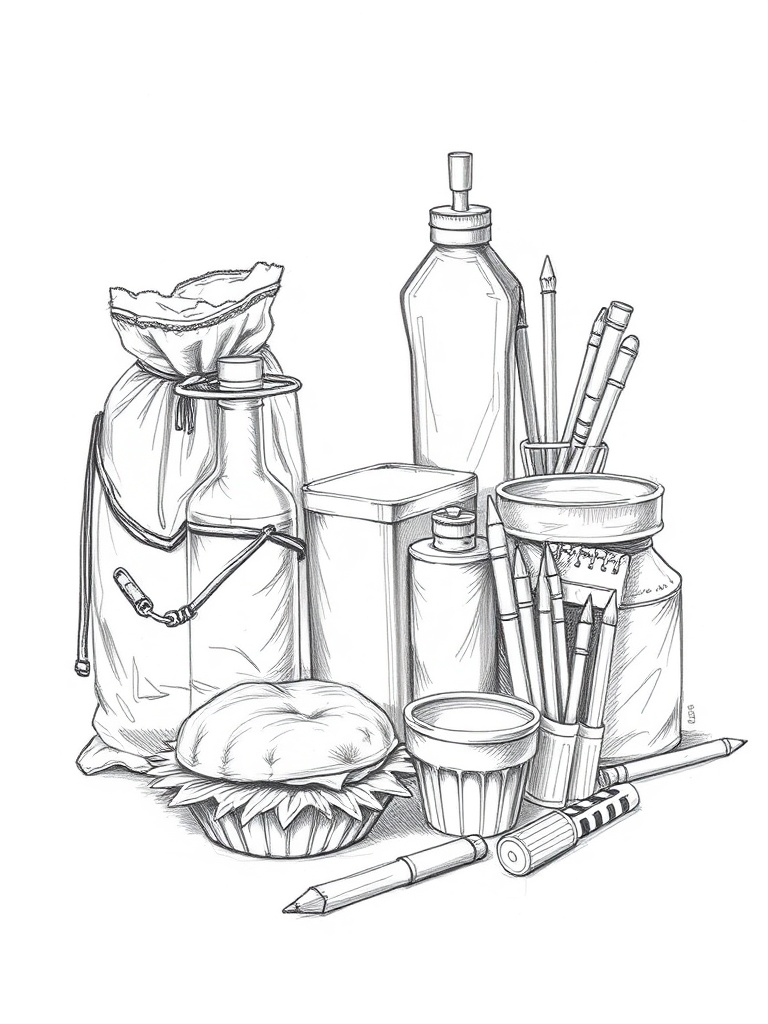
– Favor recycled and recyclable content: Post-consumer recycled (PCR) plastics and recycled paperboard cut reliance on virgin resources and support circular supply chains.
– Consider compostable and biodegradable options selectively: These can be useful for certain product categories, but require clear consumer instructions and appropriate waste-stream access to avoid contamination.
– Design for reuse: Refillable or reusable packaging—bottles, pouches, or sturdy boxes—can create repeat interactions and reduce long-term packaging demand.
Smart labels: transparency meets engagement
Smart labels add a layer of digital interaction to physical packaging. QR codes, NFC tags, and dynamic batch-level traceability empower brands to tell product stories, verify authenticity, and guide proper disposal. Smart labels turn packaging into a marketing channel that can:
– Provide provenance and ingredients: Engage shoppers with origin stories, certifications, and supply-chain transparency.
– Offer care and disposal instructions: Clear guidance reduces contamination in recycling streams and improves end-of-life outcomes.
– Enable post-purchase services: Warranty registration, refill subscriptions, and recycling pickup can all be activated through a scan.
– Fight counterfeiting: Unique identifiers tied to secure back-end systems help protect premium products and consumer safety.
Practical steps for brands
1.
Start with an audit: Map current packaging components and end-of-life pathways.
Identify quick wins like removing unnecessary inserts or switching to mono-material liners.
2. Set measurable goals: Track reductions in weight, volume, and virgin-material use. Tie metrics to cost savings and customer-feedback KPIs.
3. Test labels and instructions for clarity: Labelling must be readable and language-appropriate across markets.
Usability testing lowers the risk of recycling contamination or returns.
4. Pilot smart label use cases: Start with one product line to measure engagement rates, conversion to refill programs, or decreases in customer service requests.
5. Partner with waste-management and logistics providers: Successful circular systems often require collaboration across the supply chain to ensure materials are collected and recycled effectively.
Consumer communication is crucial
Effective packaging strategies aren’t just about materials — they require clear messaging.
Transparent claims, certification badges, and simple disposal icons reduce confusion and build trust.
Brands that combine sustainable materials with smart labels position themselves as problem-solvers, not just product sellers.
Adopting sustainable packaging and smart-label technologies delivers environmental and commercial benefits: lower costs, stronger loyalty, and a better product experience.
Brands that treat packaging as part of the product story—functional, informative, and regenerative—gain a meaningful edge in a crowded marketplace.
