Sustainable Products and Eco-Friendly Packaging: How to Choose What Really Helps
Consumer demand for greener products is changing how brands design, package, and sell items. With more choices available, savvy shoppers and retailers need practical criteria to separate meaningful sustainability from marketing buzz.
Use the following guide to evaluate products and packaging that genuinely reduce waste, lower environmental impact, and offer long-term value.
What to look for in sustainable products
– Durability and repairability: A well-made product that lasts reduces the need to replace items frequently. Look for replaceable parts, repair manuals, and accessible customer support.
– Refillable and reusable designs: Refill systems for personal care, cleaning supplies, and household goods reduce single-use purchases and packaging waste.
– Recycled and responsibly sourced materials: Post-consumer recycled content, responsibly sourced wood, and certified natural fibers lower resource extraction pressure.
– Transparent supply chains: Brands that disclose material sourcing, manufacturing locations, and labor practices are more likely to be accountable and ethical.
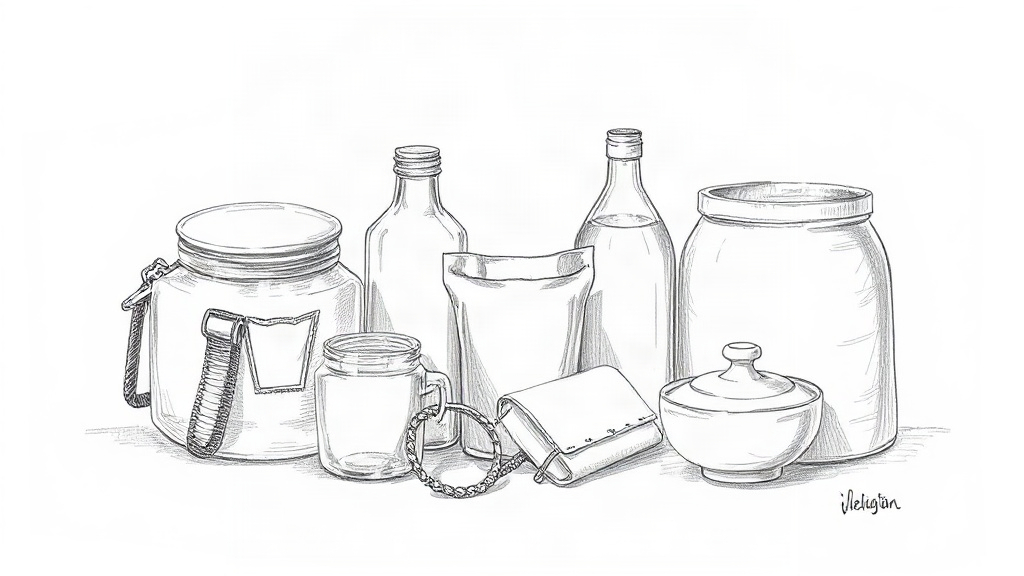
Decoding eco-friendly packaging claims
Packaging claims can be confusing. Here are reliable cues:
– Third-party certifications: Labels from recognized bodies (for example, forestry or recycled-content certifiers) carry more weight than vague phrases like “green” or “eco.”
– Clear recyclability instructions: Packaging that is easy to recycle, with clear disposal labels, reduces contamination and increases recycling rates.
– Minimalist and plastic-free options: Cardboard, molded fiber, and compostable liners can be preferable when they truly match local waste-management systems.
– Refillable or returnable systems: Some brands offer take-back or refill programs that eliminate single-use packaging entirely.
Common trade-offs to consider
– Compostable packaging is only beneficial when industrial composting or appropriate local compost systems accept it. Otherwise it can contaminate recycling streams.
– Bioplastics reduce petroleum use but may not biodegrade in the environment and can be harder to recycle.
– Lightweighting reduces shipping emissions but may compromise protection, leading to more product damage and returns.
Practical tips for buying smarter
– Read beyond the marketing: Check ingredient lists, material breakdowns, and product specifications.
– Prioritize longevity over lowest price: A longer-lasting item often yields a smaller environmental footprint over its lifetime.
– Favor refill systems where available: These reduce per-use packaging and usually lower cost over time.
– Choose brands with clear end-of-life guidance: Proper disposal instructions help keep materials in closed loops.
– Support repairable electronics and furniture: Seek warranty terms, spare parts availability, and repair networks.
How retailers can make an impact
Retailers can influence consumer behavior by curating product assortments that emphasize durability and repairability, using minimal and recyclable shipping materials, and offering in-store or online refill stations. Clear product information and searchable filters for sustainability attributes help shoppers make informed choices fast.
Every purchase is a vote for the kind of market you want.
By prioritizing products and packaging that reduce waste, support reuse, and demonstrate transparency, consumers and businesses can encourage better design decisions across industries. Small changes—choosing a refillable bottle, favoring repairable electronics, or selecting items with genuine recycled content—add up to meaningful improvement for both budgets and the planet.
