Smarter power: choosing chargers and cables for modern gadgets
As devices pack more power into thinner bodies, the accessory you buy matters almost as much as the gadget itself. Choosing the right charger and cable keeps devices fast, safe, and ready to go. Here’s a practical guide to what to look for and why it matters.
Why charging tech matters
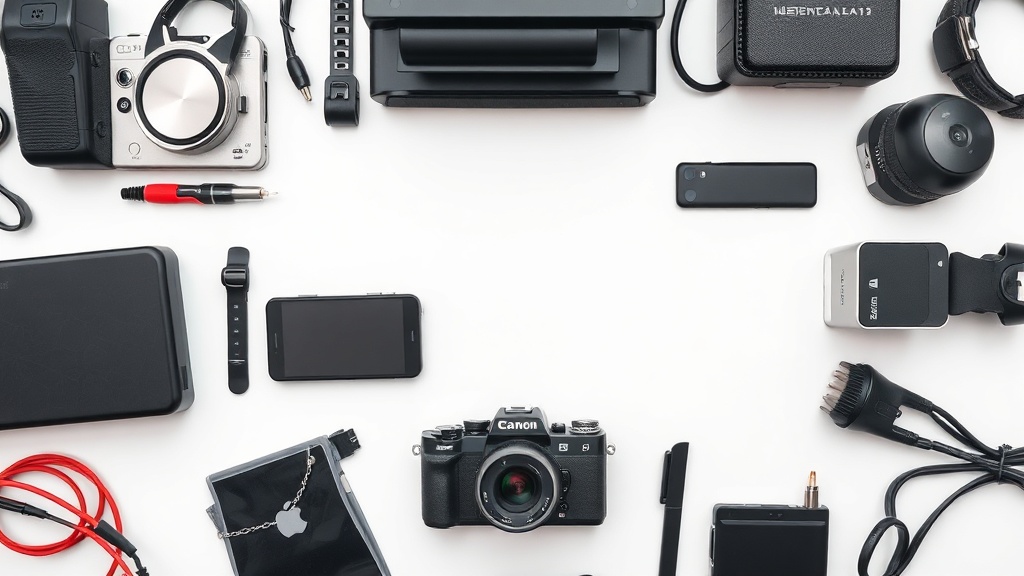
Fast charging isn’t just convenience; it affects battery longevity, device performance, and everyday workflow.
Chargers that supply the right voltage and current deliver power efficiently and reduce heat. Poor-quality adapters or mismatched cables can slow charging, trigger thermal throttling, or damage components over time.
Key charger features to prioritize
– GaN (gallium nitride) technology: GaN chargers are smaller and more efficient than older silicon designs. They produce less heat and allow for compact multi-port bricks that still support high wattages.
– Wattage and power delivery: Match charger output to device needs. Smartphones commonly benefit from 20–30W PD chargers, while laptops often require 45–100W. Multi-port chargers can share power intelligently—look for ones with power delivery (PD) that dynamically allocates wattage.
– Port types and count: USB-C PD ports are increasingly universal for phones, tablets, and laptops. A multi-port charger with at least one high-wattage USB-C and one USB-A (for legacy devices) covers most scenarios.
– Safety certifications: Look for UL, ETL, CE, or other recognized safety marks. Over-voltage, over-current, and short-circuit protections are essential.
Choosing the right cable
– Match cable rating to charger output: Not all USB-C cables handle high current. For higher-wattage charging, use cables rated for 5A or labeled as “e-marked.” Lower-rated cables may limit charging speed or overheat.
– Know your alt modes: If you plan to drive an external display through USB-C, choose cables or docks that explicitly support DisplayPort or HDMI alt modes. For really high data throughput and PCIe-like speeds, Thunderbolt/USB4-certified cables are required.
– Length and flexibility: Longer cables introduce voltage drop; when using high power, keep lengths reasonable. Braided cables last longer in daily use, but make sure the internal specs meet your power needs.
Wireless and magnetic charging
Wireless charging offers convenience but typically trades efficiency for ease. For quick top-ups, Qi chargers work well; for faster wireless transfers and alignment, magnetic systems (branded variants exist) optimize coil alignment to improve speed. If you rely on wireless often, select chargers with good cooling and foreign object detection to protect batteries and wallets.
Practical tips for battery health and safety
– Avoid aftermarket chargers with dubious reviews or lacking certifications. Counterfeit chargers are common and risky.
– Keep charging points cool; heat is the primary enemy of battery longevity. Remove thick cases if a device runs hot while charging.
– Update device firmware: Some devices improve charging algorithms through software updates that balance speed and long-term battery health.
– Use manufacturer-recommended wattage when possible. Laptop chargers and high-end accessory ecosystems sometimes use proprietary negotiation for peak efficiency.
Quick buying checklist
– Does it use GaN for compact efficiency?
– Are the ports USB-C PD with sufficient wattage?
– Are cables e-marked or rated for the needed current?
– Does it have recognized safety certifications?
– Are wireless options suitably cooled and aligned?
Choosing the right combination of charger and cable keeps devices fast, safe, and reliable. Invest a little more in quality, and you’ll avoid headaches—and extend the useful life of expensive gadgets.
