Sustainable packaging has moved from niche concern to a core product decision for brands selling online and in-store. Consumers expect less waste and clearer disposal guidance, while retailers look for ways to cut shipping costs and reduce returned or damaged goods.
Choosing the right eco-friendly packaging can protect products, reinforce brand values, and improve the bottom line when done with strategy.
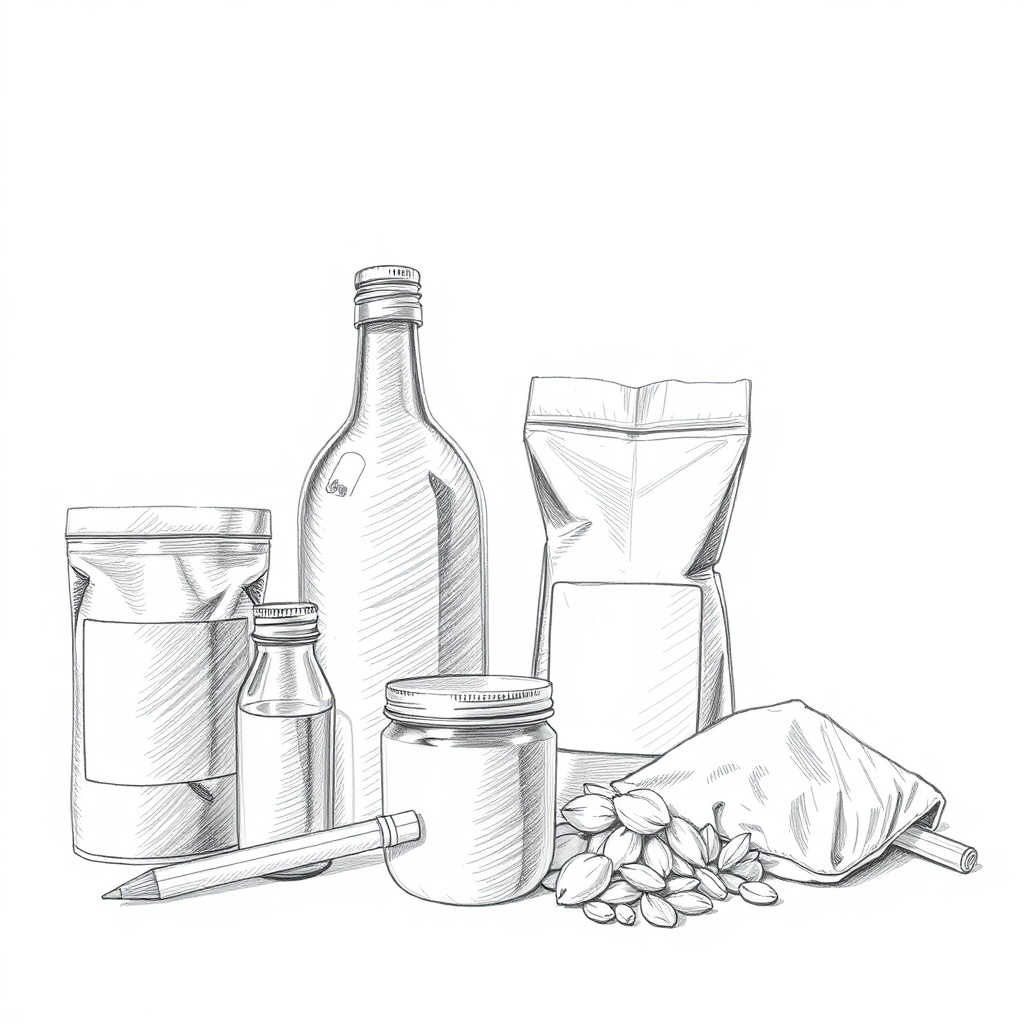
Materials that balance sustainability and performance
– Recycled corrugated cardboard: Strong, crush-resistant, and widely recyclable, recycled cardboard works for most shipments and is easy to source. Right-sizing reduces material use and lowers shipping costs.
– Molded pulp and kraft paper: Ideal for cushioning and inserts, molded pulp is often made from post-consumer paper and is compostable in many municipal programs. Kraft paper wraps well and provides a rustic, eco-friendly aesthetic.
– Bioplastic alternatives: Compostable polymers like PLA and PHA are useful when plastic-like properties are needed, but disposal infrastructure varies by region. Check local compostability standards before adopting widely.
– Mycelium and starch-based foams: Plant- and fungus-derived packaging offers biodegradable cushioning that replaces expanded polystyrene in many applications.
– Minimalist film and mono-material plastics: Where moisture resistance is essential, mono-material films can be recyclable if clearly labeled and collected by local programs; avoid multi-layer films that hinder recycling.
Certifications and clarity matter
Third-party certifications help customers trust sustainability claims.
Look for trusted marks such as Forest Stewardship Council (FSC), BPI or similar compostability certifications, and third-party recyclability verification. Clear on-package disposal instructions reduce contamination and improve recycling rates—simple icons and one-line guidance go a long way.
Design for protection and efficiency
Sustainable packaging must still protect the product. Use right-sized boxes and void-fill solutions that match fragility and reduce movement. Consider protective inserts that double as marketing touches, such as branded molded pulp trays. Test packaging through drop and compression tests to ensure damage rates stay low; higher damage and return rates quickly negate environmental benefits.
Branding and customer experience
Packaging is a direct expression of brand values. Minimal printing, soy-based inks, and natural finishes signal sustainability while lowering production complexity. At the same time, the unboxing experience remains important—thoughtful touches like recyclable tissue, seed-embedded thank-you cards, or instructions for reuse can create memorable moments without excess materials.
Operational considerations and cost control
Sustainable options can carry higher unit costs, but savings appear through reduced dimensional weight charges, lower returns, and stronger customer loyalty. Implement pilot programs to compare damage rates, shipping costs, and customer feedback before full rollout. Right-sizing machinery and a packaging audit often produce quick wins by eliminating overpackaging.
Practical steps to get started
– Audit current packaging across SKUs to find quick wins.
– Prioritize high-volume or high-fragility items for alternative materials.
– Pilot mono-material or compostable options with clear disposal labeling.
– Partner with suppliers who provide samples and technical testing data.
– Track KPIs: shipping cost per order, return rate due to damage, and customer satisfaction related to packaging.
Sustainable packaging is both a product and a promise. Thoughtful selection, testing, and transparent communication help brands reduce environmental impact while delivering secure, on-brand customer experiences. Small changes scaled thoughtfully often deliver the best mix of ecological benefit and economic return.
