Choosing sustainable packaging that protects product and planet
Sustainable packaging is no longer a niche concern — it’s a core element of product strategy that affects cost, brand perception, and regulatory compliance.
Customers expect transparency about materials and end-of-life options, and retailers look for packaging that reduces waste and shipping inefficiencies. Here’s a practical guide to choosing packaging that supports sustainability without sacrificing protection or aesthetics.
Start with a clear objective
Define what sustainability means for your brand: lower carbon footprint, higher recycled content, compostability, or a refillable system. Objectives drive material choices and affect cost, supply chain, and messaging. Quantify goals with simple KPIs such as percent post-consumer recycled (PCR) content, weight reduction, or increased recyclability.
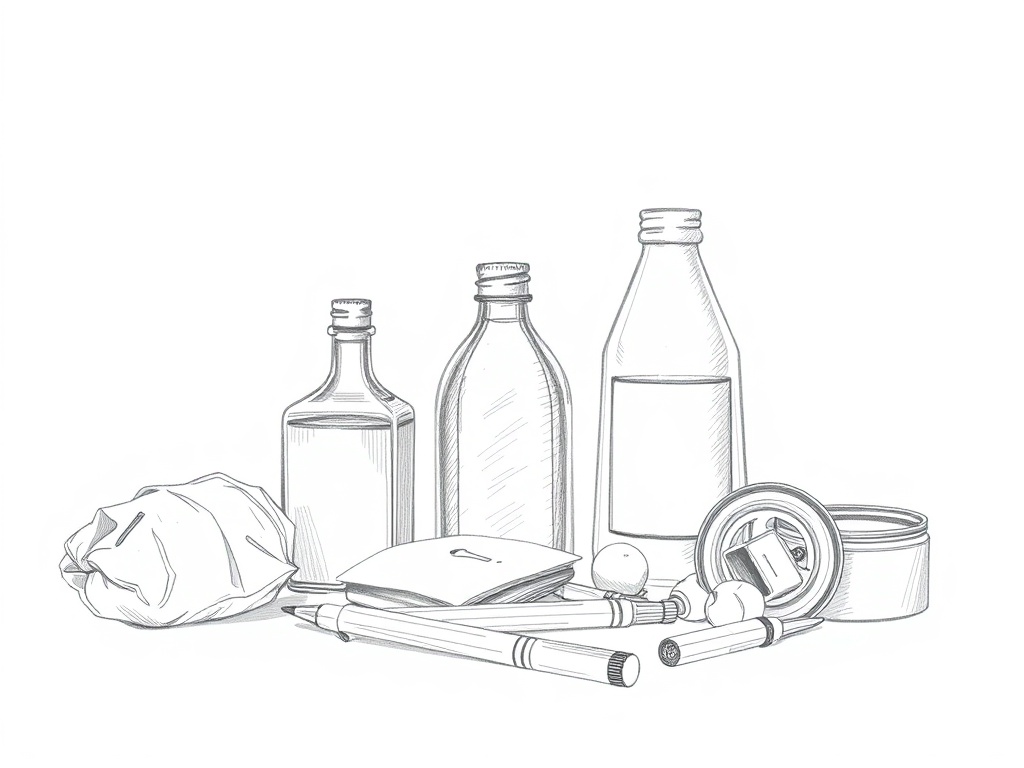
Material choices and trade-offs
– Paper and cardboard: Widely recyclable when uncoated. Ideal for boxes, mailers, and inserts. Choose FSC- or SFI-certified fiber to demonstrate responsible sourcing.
– PCR plastics: Maintains durability for bottles and pouches while reducing virgin plastic use. Check compatibility with food-contact regulations if relevant.
– Bioplastics and compostables: Work well for organic waste or short-life items, but require proper labeling and access to industrial composting. Look for certifications like BPI or OK Compost to avoid misleading claims.
– Glass and metal: Highly recyclable and perceived as premium, but heavier for shipping and prone to breakage.
– Mono-material designs: Using a single material (even if plastic) often improves recyclability compared with mixed-material laminates.
Design for recycling and reuse
– Right-size packaging to eliminate excess void space and reduce shipping volume.
– Use mono-material seals and labels so the entire package can be processed together.
– Avoid problematic elements like PVC, black pigments that scanners can’t detect, and multi-layer laminates unless necessary.
– Consider return or refill programs for high-value products — they reduce waste and boost repeat purchases.
Testing and compliance
Protecting product integrity is essential. Perform transit testing (drop, compression, vibration) and climate testing if products are sensitive. Also verify regulatory requirements and extended producer responsibility (EPR) obligations that may apply in your sales markets. Clear disposal instructions and standardized labeling reduce contamination in recycling streams.
Supplier and cost considerations
Work with suppliers that provide robust documentation — material certifications, PCR verification, and life cycle data. Cost is often the biggest hurdle: start by piloting changes on a limited SKU set, measure savings from reduced materials and shipping, and scale successful designs. Bulk ordering and simplified SKUs can lower unit costs over time.
Communicate clearly and honestly
Customers respond well to transparent claims. Use certified logos where applicable, state the percentage of recycled content, and give actionable disposal instructions (e.g., “Remove label and recycle in curbside program when available”). Replace vague terms like “eco” or “green” with specific, verifiable statements.
Measure impact and iterate
Track metrics such as packaging weight per unit, percentage of recyclable packaging, and end-of-life rates when possible. Gather customer feedback on unboxing experience and durability, and run A/B tests between packaging versions to find a balance between sustainability and perceived value.
Small changes add up
Start with quick wins: reduce empty space, switch to recycled paper, remove unnecessary plastics, or adjust label materials. Over time, these incremental improvements build credibility with customers, reduce logistics costs, and position products for a circular economy. Sustainable packaging is a strategic investment that supports brand differentiation, operational efficiency, and environmental responsibility.
